
From manual to smart: how personalized massagers with artificial intelligence are revolutionizing healthcare management

With the continuous development of technology, the massage industry has undergone a dramatic transformation from traditional manual techniques to intelligent massage devices. In the past, massage mainly relied on manual methods or simple tools to relieve muscle fatigue. However, with the development of technology, especially in the field of artificial intelligence (AI) and automation, the evolution of massage products has gone beyond simply improving efficiency and comfort. Now, personalization and intelligent experience have become the dominant trends in the industry.
Limitations of traditional massage tools
Early massage devices focused primarily on simple physical structure and function reproduction. Common massage techniques included hand-held massage sticks, vibrating massagers, and traditional massage chairs.
Take a handheld massage stick, for example. It is usually a simple rod-like structure that is used to roll or press on the body, providing basic physical stimulation. However, it is limited in its ability to adjust to different people's body conditions or needs. For example, it cannot target specific levels of muscle fatigue or pain sensitivity for different people.

Vibrating massagers use motors to generate vibrations during massage. While the intensity of the vibration can be adjusted, the massage method is usually fixed, often offering only one or a few preset vibration patterns. For users who require different massage techniques, such as kneading or pressing, vibrating massagers are not flexible enough.

Traditional massage chairs usually offer preset standard modes such as full body massage, localized massage, and intensity adjustment. However, these modes are usually fixed and cannot be personalized to the specific needs of the users. For example, some users may need a targeted lower back massage, while others may need more attention to the neck, but a massage chair cannot fully meet these personalized needs.

Although these products play a positive role in relieving muscle fatigue and stress, their functions are mostly fixed and cannot be adjusted according to individual needs.
Technological transformation: from artificial intelligence to personalized experiences
With the development of artificial intelligence (AI) and the Internet in the 21st century, smart massage devices have emerged. Technology has not only made massage equipment more convenient and accurate to operate, but also endowed massage devices with more intelligent functions, especially in terms of personalization.
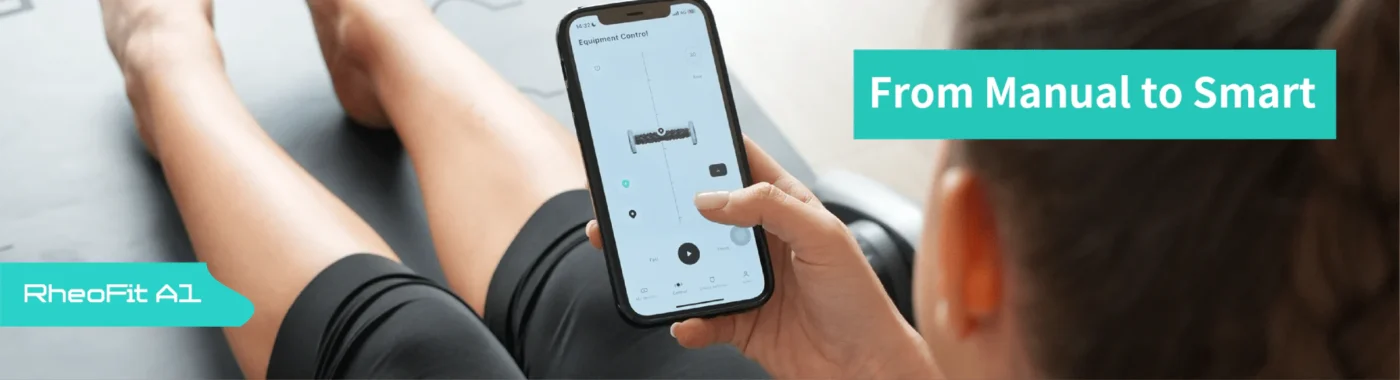
On the one hand, advances in technology have made it much easier to operate massage devices. In the past, adjusting the different modes and intensities on a massage chair required complex button combinations, which could be confusing and confusing for users unfamiliar with electronics. Today's smart massage devices, which use advanced technology, can be controlled via touch screens, voice commands, or mobile apps. For example, users can download a corresponding app to their phone to remotely control the device, adjusting the intensity, mode, and duration of the massage anytime, anywhere. This convenient control method greatly improves user interaction, making it easier for people to enjoy the comfort of a massage.

On the other hand, technology has also made massage devices more precise. Traditional massage products can have problems controlling intensity and position, making it difficult to meet users' needs for precise massage. However, smart massage products use precise motor control and sensor feedback to provide more precise adjustment of massage intensity and position.
Among them, personalized customization through artificial intelligence has become the highlight of massage products. With built-in sensors and intelligent algorithms, modern massage products can sense the user's physical condition, body shape, etc. in real time, and adjust the massage intensity, massage method and massage time based on these data. For example, some smart massage products can connect through the app, analyze the user's exercise and health data, and automatically create a personalized recovery plan.

Market demand for smart massage products
As the concept of health management becomes more and more popular, the market demand for smart massage products has increased significantly. With the boom in fitness, athletes undergoing high-intensity training often experience muscle fatigue and pain, which creates a demand for smart massage products to accelerate recovery. Office workers who sit for a long time face discomfort in areas such as the neck and lower back, and are looking for effective massage devices for quick relief. The elderly, with their reduced physical functionality, need products that can help relieve discomfort caused by prolonged sitting or lack of physical activity.

The demand for smart massage devices is growing, and consumers are no longer satisfied with just basic massage effects. Instead, they want smart devices that can provide a personalized experience tailored to their specific needs and conditions. For example, some consumers expect massage devices to automatically adjust the intensity based on their daily activity and fatigue level, or target specific areas of the body for precise treatment. This strong demand for personalized services has promoted the integration of artificial intelligence into massage products, which has led to the gradual transition of smart massage devices from the high-end market to the mass market, becoming an integral part of modern health management. With the increasing demand from consumers for personalized health management, the market for smart massage devices is expected to grow significantly in the coming years.
RheoFit A1: Automatic massage based on artificial intelligence
Driven by the growing demand for smart and personalized solutions, RheoFit A1 was developed. RheoFit A1, a fully automatic AI-based roller massager, works in conjunction with the app to provide users with a professional and personalized massage experience. With the integration of AI technology, RheoFit A1 can automatically generate a massage plan based on the user's condition and needs, and further customize it through the app. Below is the complete process of RheoFit A1's intelligent personalized massage:
- Introduction information about settings via the app When the user uses RheoFit A1 for the first time, he/she first needs to complete the preliminary settings through the mobile phone app. During this process, he/she needs to enter basic height information through the app to create a personalized massage plan for the user.

- Sensor detection and real-time feedback: Intelligent body recognition After entering the height information, the device uses the auto-roll function to scan the user's body. This allows RheoFit A1 to create an accurate body model by recording the location of various body parts. Users can also customize the name of this body model. This step forms the basis of personalized massage based on artificial intelligence, allowing the device to understand the user's body structure and lay the foundation for subsequent personalized massage plans.

- Automatically Create an Individual Massage Plan After selecting the appropriate body model, users can enter the type of activity (e.g. running, swimming, training, prolonged sitting) and its duration, as well as the areas they want to focus on. RheoFit A1 will generate a fully automatic massage plan based on this information, combining recovery theory to provide a personalized massage that the user can enjoy simply by lying down.

Conclusion
With the continuous development of AI technology, future massage devices will not only serve as relaxation tools, but also become an important component of personal health management. From precise muscle recovery to daily stress relief, personalized settings based on AI will make massage even more intelligent and tailored to individual needs.
Whether it is muscle recovery for athletes, stress relief for professionals, or medical care for the elderly, artificial intelligence can provide personalized solutions. With the popularization of smart devices, personalized health management will become the standard for people's high-quality lives. RheoFit A1 and similar smart massage devices will become important tools for health management in the future.
</rte-форматер>