
A guide for ski enthusiasts on injury prevention and recovery

1. The essence of skiing
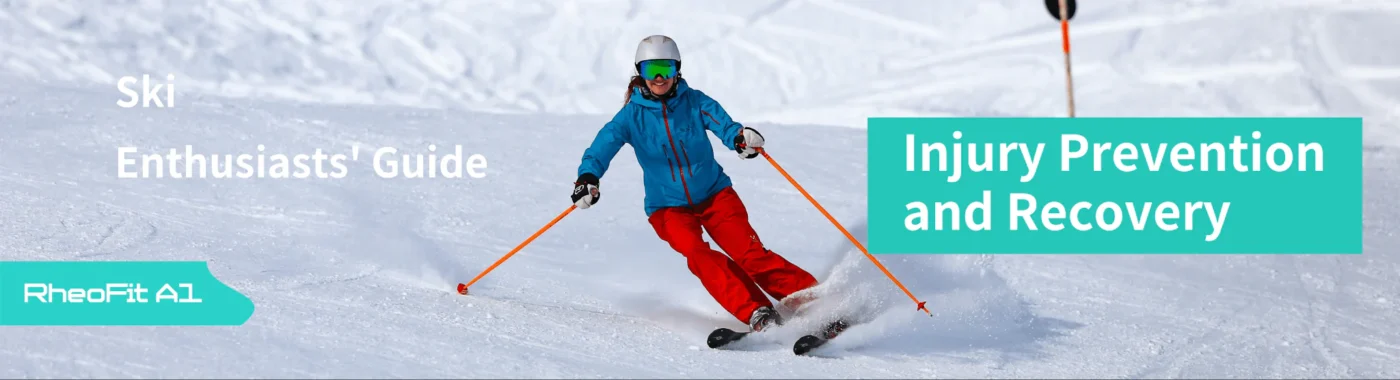
Skiing is an exhilarating rush of speed on the snow. Every descent feels like a daring adventure as you carve your way down the slopes with the wind in your face. As you get on your skis and glide down the mountain, the world around you seems to blur with every turn. Snowflakes fly, and your mind and body are completely immersed in the thrilling combination of speed and skill. Skiing is more than just a test of balance and coordination; it is a bold display of courage, a deep admiration for the beauty of nature, and an enthusiastic pursuit of life’s endless possibilities.
However, while skiing offers an unparalleled experience, it is important to be aware of the physical risks and injuries that can occur.

2. Common skiing injuries and their causes
- Knee injuries: These include sprains, meniscus tears, and other knee-related injuries. While skiing, the knee is subjected to significant pressure and twisting forces, especially during sharp turns or sudden stops, which can lead to ligament and meniscus damage.

- Ankle sprain: Ankle injuries are common, especially when changing direction or on uneven snow surfaces. Skiers can twist or sprain their ankles when the foot is forced into an abnormal position.
- Muscle strain: The quadriceps, hamstrings, and glutes are the muscles most commonly affected. These muscle groups are heavily involved in skiing, contracting and extending frequently. Sudden movements or overexertion can easily lead to sprains.
3. How to prevent and treat injuries
- Wear protective equipment.: Always wear appropriate protective gear, such as knee pads, wrist guards, and ankle braces, for added stability and protection. These precautions can reduce direct impact to your knees, wrists, and ankles during falls or sudden movements.
- Focus on balance training: Improving your overall balance will improve your stability on slopes and help prevent falls, which are common causes of wrist, ankle, and knee injuries. Strengthening your core and lower body can make a big difference.
- Proper warm-up: Warming up your muscles and joints before hitting the slopes is key. This helps improve flexibility and reaction time, allowing your body to better handle the stresses of skiing and reducing the risk of muscle strains or joint injuries.
- Take regular breaks.: Avoid prolonged skiing without rest. Give your body time to recover, allowing tired muscles, ligaments, and joints to heal and regain strength. Rest prevents overuse injuries and reduces the risk of long-term damage.
- Massage: Regular massage can help improve circulation, relieve muscle tension, and promote recovery. For the knee, it can relieve tension around the ligaments and meniscus; for the ankle, it helps improve joint mobility and flexibility; and for the feet, it helps reduce muscle pain and prevent sprains.

4. Experience a new recovery with RheoFit A1
- What is RheoFit A1?RheoFit A1 is a revolutionary smart massager designed for convenient, effective and relaxing massage. This portable device is equipped with an automatic roller massage system, allowing you to easily target large muscle groups and provide relief after skiing.
- Benefits of knee reconstruction: Skiing puts a huge strain on the knees due to frequent twisting and impact. RheoFit A1 provides a targeted deep massage of the muscles and soft tissues surrounding the knee, helping to relieve tension and fatigue in the ligaments and meniscus, and reducing the risk of knee injuries.
- Ankle joint reconstruction: The ankle joint is particularly vulnerable to sprains due to the unstable nature of snowy terrain. RheoFit A1 stimulates blood circulation in the ankle area, helping to improve flexibility and enhance the ankle joint's ability to recover after skiing.

- Hip and Buttock Reconstruction: Skiing requires constant work of the thigh and gluteal muscles. RheoFit A1 offers a soothing deep massage to relieve muscle tension, accelerate the elimination of metabolic waste and promote faster muscle recovery.


In conclusion, for skiers, understanding how to prevent and treat injuries is essential to fully enjoying the sport. We hope that the tips provided here, as well as the benefits of the RheoFit A1 automatic massager, will help you avoid injuries and enjoy the slopes. As RheoFit urges: Infinite body, infinite life— overcome your physical limitations and embrace the limitless possibilities of life!
