A Guide to Recovering from Calf Pain

How do calf muscle injuries happen?
Calf muscles, primarily calf muscle, soleus muscle and tibialis anterior muscle, play a vital role in providing strength and stability during walking, running, and jumping. These muscles work in harmony with the muscles of the thigh and hip joint, ensuring balanced and efficient movement. When the calf muscles are tight or injured, everyday activities such as walking or running can become difficult. In some cases, the discomfort can even radiate to the knees, hips, or lower back.
Common movement patterns and causes of calf injuries
- Calf and soleus muscles: Located on the back of the shin, these muscles generate power when running and absorb shock when jumping. High-intensity movements with poor technique or overuse can overstretch or strain these muscles, leading to a sprain or pain.

- Tibialis anterior muscle: This muscle on the front of the lower leg controls the lifting of the foot and the gait. If the surrounding muscles (calf, thigh, or hip) are weak, the tibialis anterior muscle can overcompensate, leading to strain or injury.

- Coordination with the muscles of the thigh and hip joint: The calf muscles do not work in isolation. They rely on support from quadriceps, hamstrings and gluteal musclesImbalance or weakness in these areas can lead to overexertion of the calves, increasing the risk of injury.

Activities that can lead to calf injuries
- Running & Jumping: Long distance running or hard sprints put a lot of strain on the calf and soleus muscles, increasing the risk of fatigue or sprains. Jumping and landing also put a lot of strain on the calf muscles.
- Cycling: Maintaining a fixed posture while cycling for a long time can lead to strain and fatigue in the calf muscles.
- Walking with weights or climbing stairs: These activities rely heavily on calf muscle strength. Poor technique or muscle imbalances can lead to overuse and strain.
- Frequent standing or walking on hard surfaces:Standing for long periods of time, especially on hard floors, can overwork your calves and cause stiffness or pain.
How to quickly recover from calf muscle pain
1. Rest and cold therapy in the acute phase
If you experience severe pain, swelling, warmth, or limited mobility within 48 hours of your injury, you are likely in the acute phase. Rest and apply ice to reduce inflammation. After this phase, follow the recovery steps below.
2. Massage muscles that need relaxation
Don't just focus on the injured area—focus on the surrounding muscle groups to prevent compensatory tension.
- Calf and soleus muscles: Massaging the back of the shin helps relieve tension and reduce pressure on the hips and buttocks.
- Tibialis anterior muscle: Relaxing the anterior calf muscle helps reduce the extra strain on the knees and hips, improving overall walking mechanics.
- Thigh and buttock muscles:Relaxing the front and back of the thigh and hip muscles helps reduce excessive strain on the calves and reduces the risk of secondary injuries.
3. Strengthening key muscle groups
Recovery is not just about relaxing, it's also about building support.
- Calf and Soleus: Exercises such as calf raises and single-leg balance exercises can improve calf stability and reduce fatigue-related injuries.


- Thigh and Glutes: Strengthening gluteus maximus muscle, gluteus medius muscle and hamstrings increases pelvic stability and helps relieve calf muscles.


- Muscles of the cortex: A strong core improves pelvic control and reduces excessive strain on the lower legs.

Good technique is key to avoiding re-injury. Maintain a steady pace when running, land softly when jumping, and take smooth, balanced steps when walking daily. Avoid repetitive strain on certain muscle groups.
RheoFit facilitates recovery
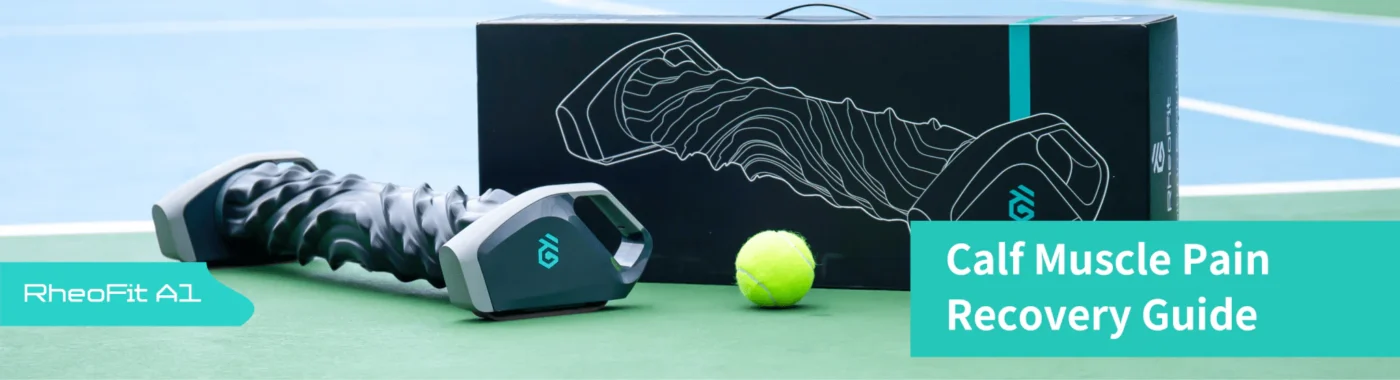
RheoFit A1 is a revolutionary automatic massage roller designed to facilitate muscle recovery. It is compact, powerful and ideal for working large muscle groups such as calves, thighs and hips.
Why choose RheoFit A1?
- Automatic massage: Easily relieves tension in the calf, soleus, anterior tibial muscles, as well as the thigh and gluteal muscles.
- Portable & Convenient: Whether you're at the gym, the office, or at home, RheoFit A1 helps you manage pain and recover faster.

- Intelligent recovery based on artificial intelligence: A1 creates personalized massage programs based on your body's needs. It automatically scans, identifies key areas, and adjusts speed, pressure, and time—like a personal physical therapist.

IN RheoFit We believe that recovery should not require guesswork or extra effort. By combining advanced artificial intelligence technologies with scientifically based rehabilitation methods, RheoFit A1 helps you recover faster so you can to move freely and live fully.
