
A swimmer's guide to injury prevention and recovery

1. The nature of swimming
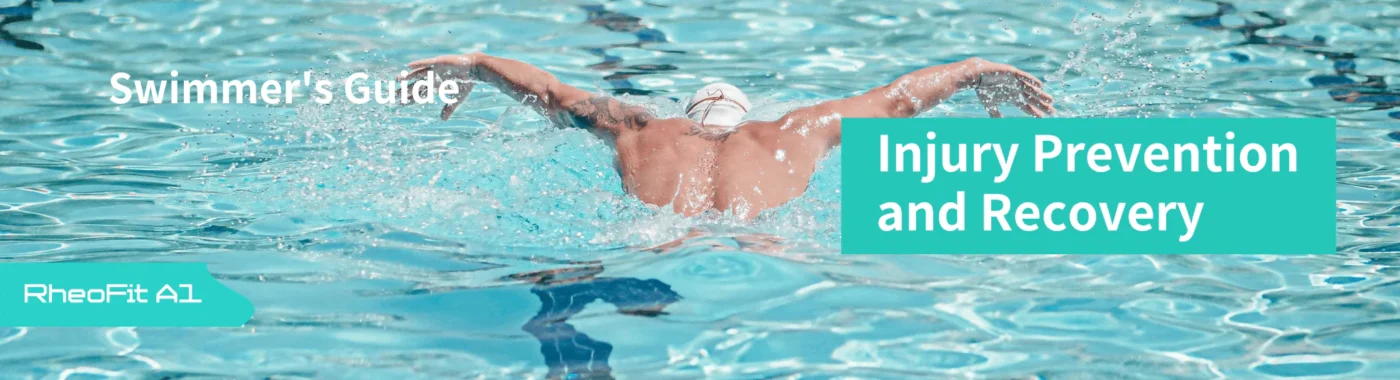
Swimming is a full-body workout that relies on arm strokes and leg kicks to create movement in the water. With different swimming styles such as freestyle, breaststroke, backstroke, and butterfly, each swimming style engages muscles and joints differently.
2. Common musculoskeletal problems during swimming and their causes
- Backache: Swimming involves significant torso rotation and lower back strain. Poor technique or excessive twisting can place excessive strain on the lower back muscles.

- Pain in the inner part of the knee:When swimming breaststroke, the inward movement of the legs can overstress the knee joint, leading to discomfort, especially along the inside of the knee.
- Shoulder pain:Freestyle and butterfly swimming involve repetitive overhead arm movements that force the shoulder joint through a wide range of motion. This can lead to overuse or wear and tear of the rotator cuff muscles and tendons.
- Ankle sprain:Sudden changes in direction or improper kicking technique can lead to ankle sprains, especially when the foot is bent.
3. How to treat and prevent injuries
- Strengthening the core muscles:A strong core helps stabilize your body, relieving stress on your lower back and shoulders. A strong core is essential for maintaining proper body posture in the water and minimizing unnecessary muscle compensation and joint strain.
- Improvement of technology:Work with a coach to improve your swimming technique. Proper technique helps maximize muscle efficiency and reduces the risk of sprains and strains.
- Proper nutrition:Eat foods rich in protein and antioxidants to support muscle recovery. Protein helps repair muscle, and antioxidants can help reduce oxidative stress caused by intense exercise.
- Warm-up and stretching:Always warm up before entering the water with full-body exercises, then stretch to focus on the specific muscles used during swimming. Warming up increases muscle temperature and flexibility, while stretching relaxes muscles and reduces the risk of cramps or strain.
- Massage:Regular massage of the shoulders, lower back, and legs can help relieve tension and muscle fatigue. Massage promotes blood circulation, improves the elimination of metabolic waste, and accelerates muscle recovery.

4.Introducing RheoFit A1: Targeted Relief for Swimmers
RheoFit A1 Smart Roller Massager offers an effective solution for swimmers' recovery. Its cylindrical design adapts to the contours of your shoulders, lower back and legs, providing a precise massage with intelligent control. Whether you want to relieve shoulder fatigue, relax tense back muscles or reduce leg pain, RheoFit A1 Effectively targets key stress areas. This portable and convenient device will help you recover quickly after swimming, ensuring you stay in top shape for your next workout.


Thanks to RheoFit A1 Swimmers can enjoy faster recovery and maintain peak performance because when your muscles feel good, you can swim longer and harder.

com/s/files/1/0903/0598/6842/files/c039f2cb223ee7486710628f25196194_0fdfd0ff-b365-4e71-8161-3e90e201a735_480x480.png?v=1732788291″ style=”display: block; margin-left: auto;” margin-right: auto;”/>
Thanks to RheoFit A1 Swimmers can enjoy faster recovery and maintain peak performance because when your muscles feel good, you can swim longer and harder.
com/s/files/1/0903/0598/6842/files/c039f2cb223ee7486710628f25196194_0fdfd0ff-b365-4e71-8161-3e90e201a735_480x480.png?v=1732788291″ style=”display: block; margin-left: auto;” margin-right: auto;”/>
Thanks to RheoFit A1 Swimmers can enjoy faster recovery and maintain peak performance because when your muscles feel good, you can swim longer and harder.